

Introduction
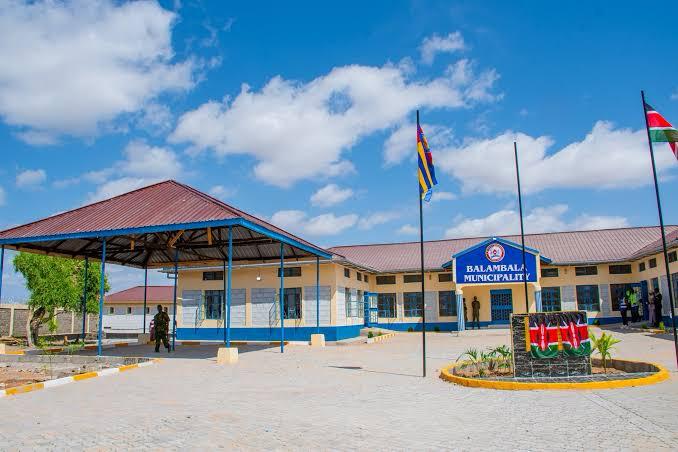
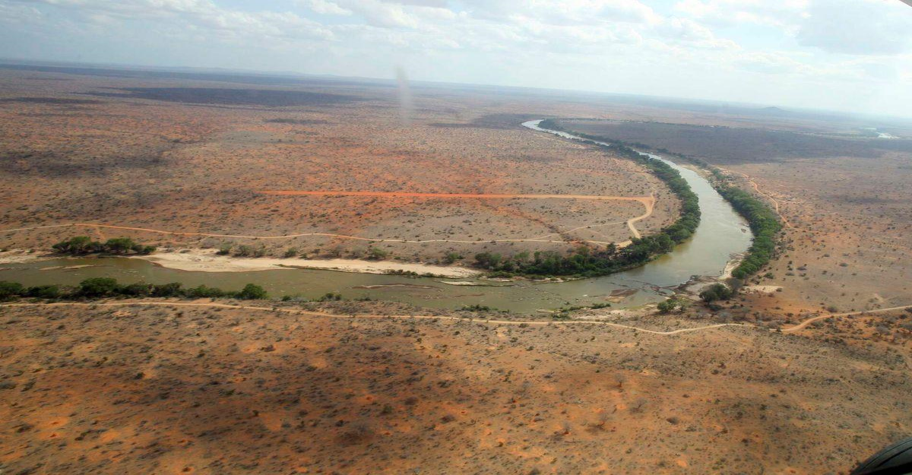
When people think of Garissa County, they often picture an arid landscape shaped by drought and pastoralism. Yet beyond that perception lies Balambala Ward one of the county’s least known but most strategically positioned areas for economic transformation.
Blessed with the River Tana, abundant construction materials, fertile riverbanks, diverse wildlife, and a resilient community, Balambala possesses many of the ingredients needed to become a regional hub for agriculture, livestock production, eco-tourism, renewable energy, and investment.
This is not simply the story of a rural ward. It is the story of untapped potential.
A Land Rich in History and Identity
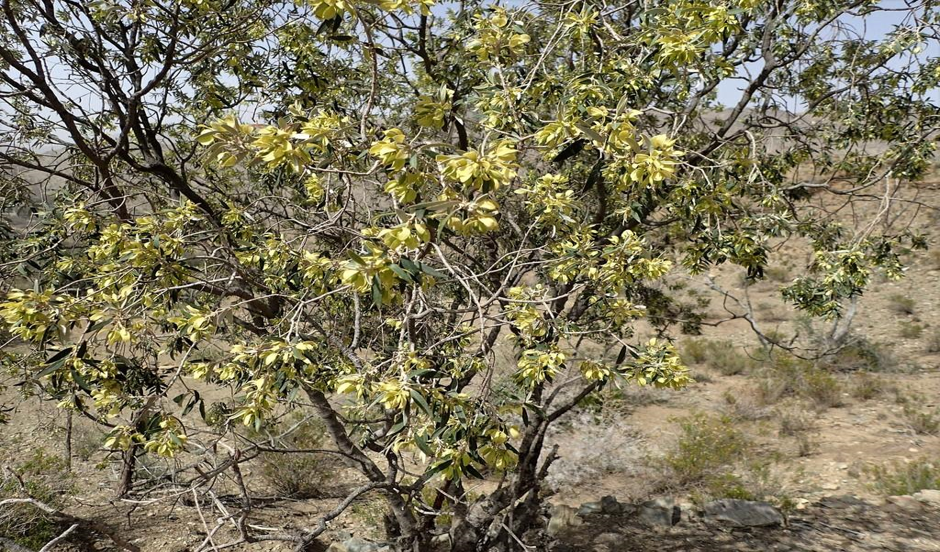
The name Balambala is believed to originate from the indigenous Barda tree, a symbol of resilience that has long provided shade, medicinal value, and ecological significance to local communities.
Administratively, the ward comprises four locations:
- Bardaley
- Kuno
- Balambala
- Uhio
with sub-locations including:
- Bardaley
- Kuno
- Balambala
- Ashadin
- Abdigab
Home to over 4,400 registered voters, Balambala demonstrates active civic participation supported by local administration, security institutions, and community leadership.
The River That Could Change Everything
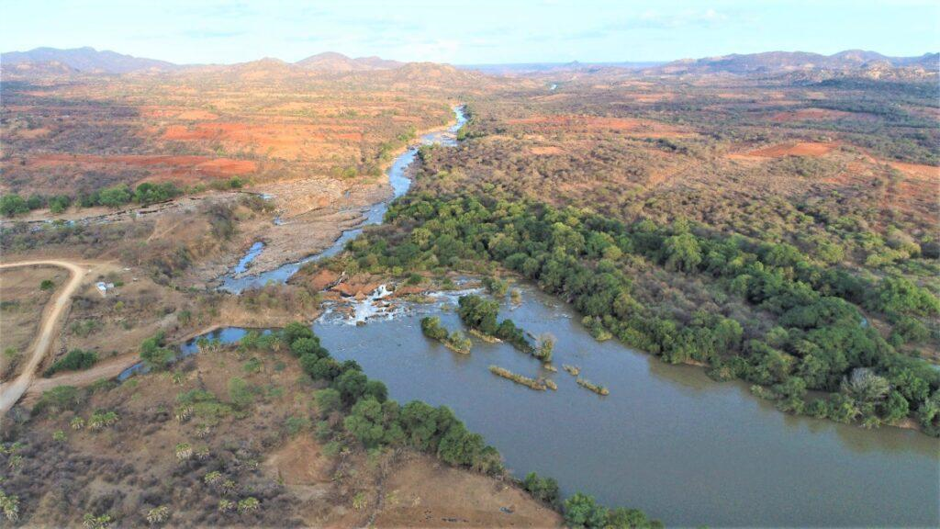
If Balambala has one defining advantage, it is the River Tana. As Kenya’s longest river, stretching over 1,000 kilometres, the Tana supports millions of livelihoods and supplies a significant share of the country’s hydroelectric power. Yet within Balambala, only a small portion of its irrigation potential has been utilized.
Imagine the possibilities:
- Commercial horticulture
- Fruit orchards
- Fodder production
- Fish farming
- Modern irrigation schemes
- Agro-processing industries
Countries like Israel have transformed dry landscapes into global agricultural powerhouses through irrigation technology. Balambala has the same opportunity.
Turning Climate Challenges into Competitive Advantage
Balambala receives approximately 250–500 mm of rainfall annually. While many view this as a limitation, research shows that drylands with reliable irrigation can achieve remarkably high agricultural productivity.
Potential high-value crops include:
- Tomatoes
- Onions
- Watermelons
- Mangoes
- Pawpaw
- Lemons
- Sesame
- Sunflower
- Chilies
- Fodder crops
Instead of depending solely on seasonal rainfall, Balambala can become a leader in climate-smart agriculture.
Livestock: More Than a Way of Life
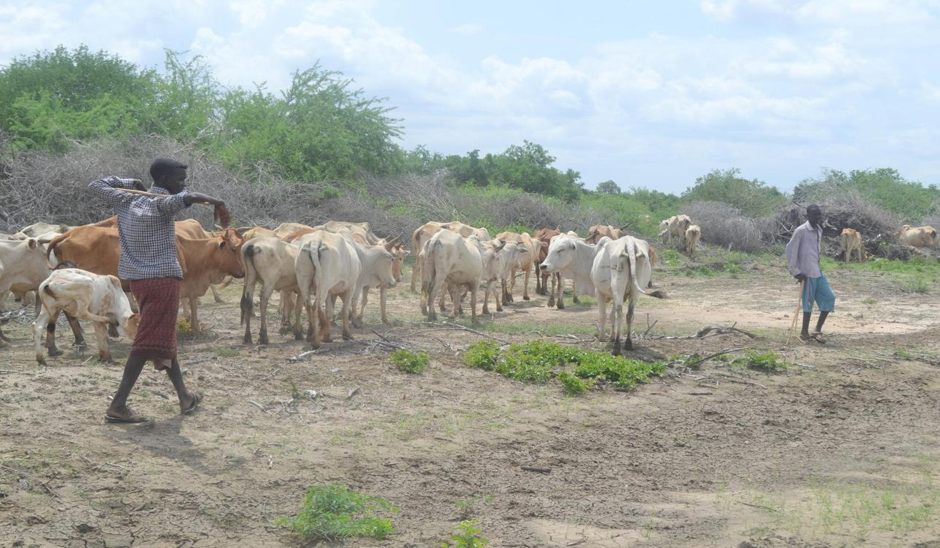
Pastoralism remains the backbone of Balambala’s economy. However, the greatest opportunity lies beyond simply selling livestock.
With investment in:
- Meat processing
- Milk cooling plants
- Leather production
- Veterinary services
- Feedlots
- Modern livestock markets
Balambala could become a livestock processing centre serving northern Kenya and beyond. Livestock value addition creates jobs, raises household incomes, and strengthens food security.
Natural Resources Waiting to Build the Future
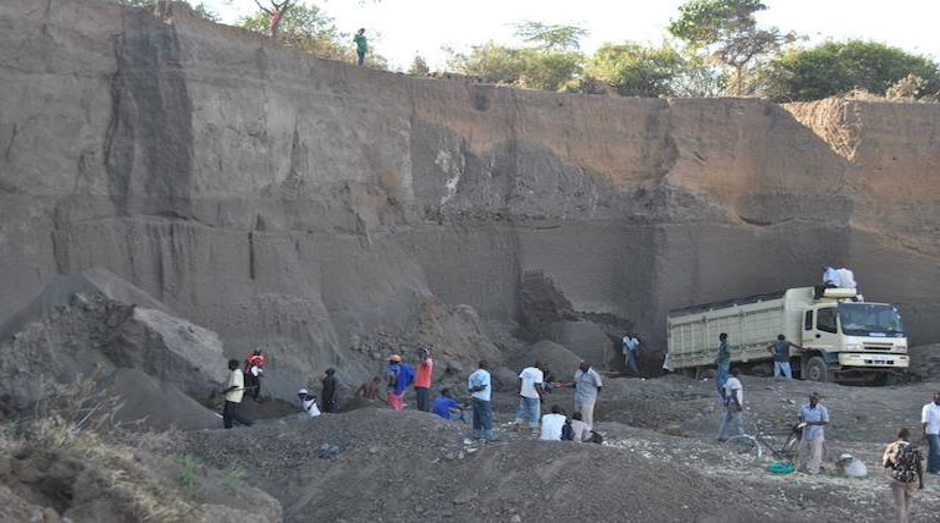
Many know Balambala for its sand and murram. Few realize how valuable these resources truly are.
The ward possesses:
- Construction sand
- Smooth ballast
- Hardcore
- Murram
- Stone aggregates
- Gum-producing Acacia trees
- Natural resins
These resources are critical for:
- Infrastructure development
- Housing projects
- Road construction
- Manufacturing
- Export industries
The Hidden Gold: Gum Arabic
One of Balambala’s least appreciated natural assets is gum arabic, harvested from Acacia trees.
Globally, gum arabic is used in:
- Soft drinks
- Pharmaceuticals
- Cosmetics
- Printing
- Textiles
- Confectionery
Countries like Sudan generate substantial export earnings from this product. With proper organization and market access, Balambala could tap into this growing global value chain.
Wildlife: Nature’s Untapped Economy
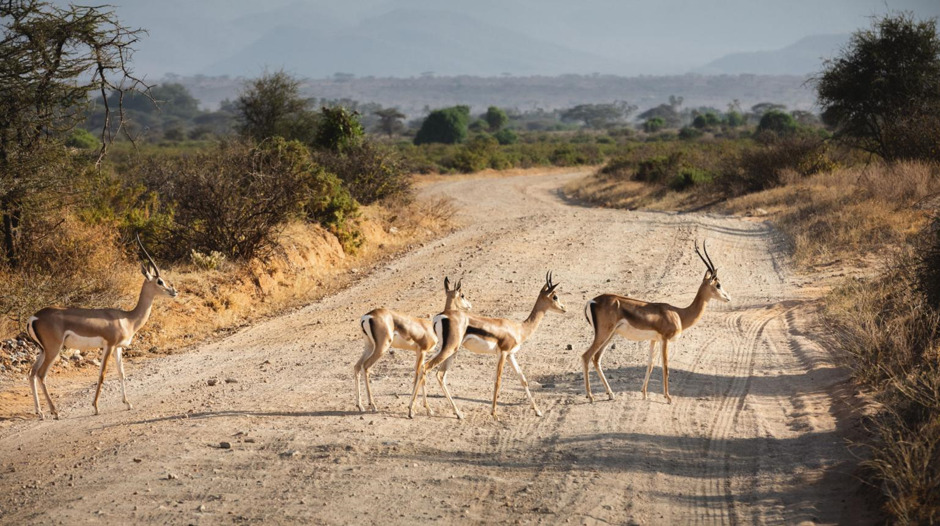
Balambala is home to remarkable wildlife, including:
- Elephants
- Gazelles
- Antelopes
- Dik-diks
- Warthogs
- Hyenas
- Hares
Rather than seeing wildlife only as a challenge, Balambala can embrace community-led conservation that supports:
- Eco-tourism
- Nature photography
- Bird watching
- Educational tourism
- Conservation jobs
Protecting biodiversity can also create sustainable livelihoods.
A Solar Powerhouse in Waiting
With sunshine throughout most of the year, Balambala has immense potential for solar energy.
Solar-powered:
- Irrigation systems
- Water pumping
- Schools
- Health facilities
- Small industries
can reduce costs, improve reliability, and attract new investment. Renewable energy could become another pillar of the local economy.
Investing in People
Economic growth begins with people.
Balambala continues to strengthen its future through:
- Primary schools
- Secondary schools
- Expanding healthcare
- Community leadership
- Youth empowerment
An educated and healthy population is the ward’s greatest long-term asset.
The Biggest Opportunity Isn’t Underground It’s Value Addition
Balambala already has:
- Water
- Fertile riverbanks
- Livestock
- Construction materials
- Wildlife
- Renewable energy potential
- Entrepreneurial people
The missing link is value addition. Instead of exporting raw resources, the ward can process them locally into higher-value products creating jobs, increasing incomes and retaining wealth within the community.
Balambala’s Time Has Come
Balambala should no longer be seen as a remote ward on the map of Garissa County. It is an emerging economic frontier with the natural assets, strategic location, and resilient people needed to drive sustainable development.
With thoughtful investment in irrigation, livestock value chains, renewable energy, conservation, and local enterprise, Balambala can become a model for inclusive growth across Kenya’s arid and semi-arid lands.
The resources are already here.
The people are already here.
The opportunity is already here.
The only question is: Who will unlock Balambala’s full potential?